- AI Valley
- Posts
- OpenAI killed Sora for one reason


Together with

howdy, it’s Barsee again.
happy tuesday, AI family, and welcome back to AI Valley.
here are the biggest things worth knowing today:
Why OpenAI really killed Sora
Meta built a model that predicts your brain
Plus trending AI tools, posts, and resources
Let’s dive into the Valley of AI…
WISPR FLOW
Courtesy: Wispr Flow
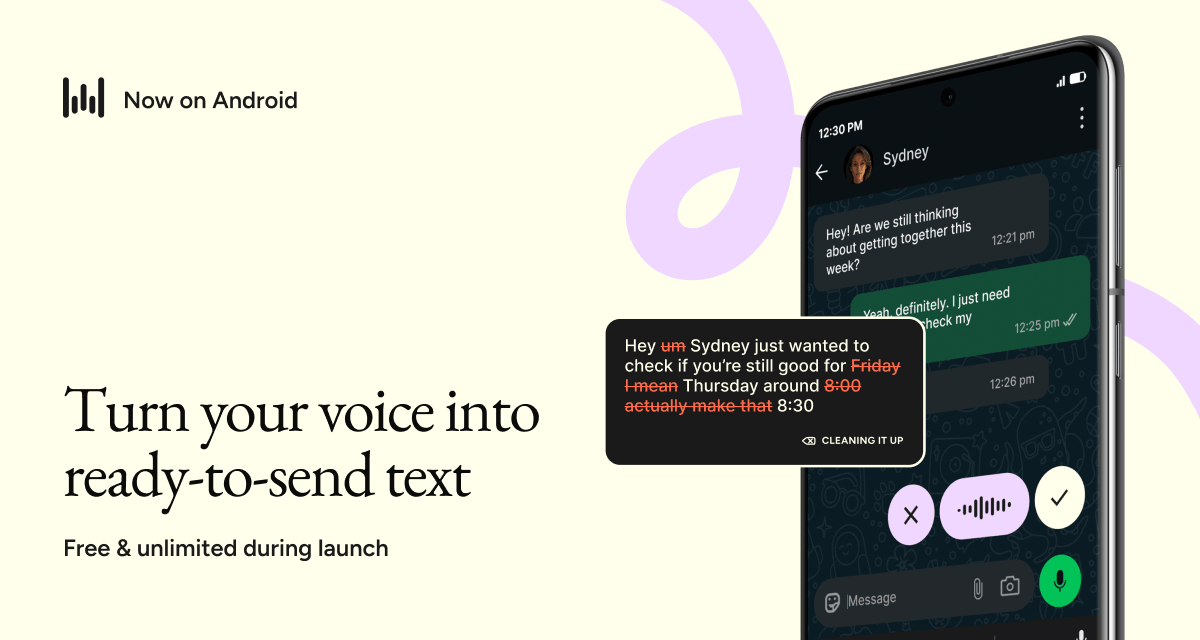
Wispr Flow turns your voice into ready-to-send text in any app. Give coding agents 10x more context by speaking instead of typing. Works in Cursor, Claude, ChatGPT, and every IDE.
89% of messages sent with zero edits. Millions of users worldwide. Available on Mac, Windows, iPhone, and now Android.
Free and unlimited on Android during launch.
*This is sponsored
THROUGH THE VALLEY
1/ Why OpenAI really killed Sora 🎬
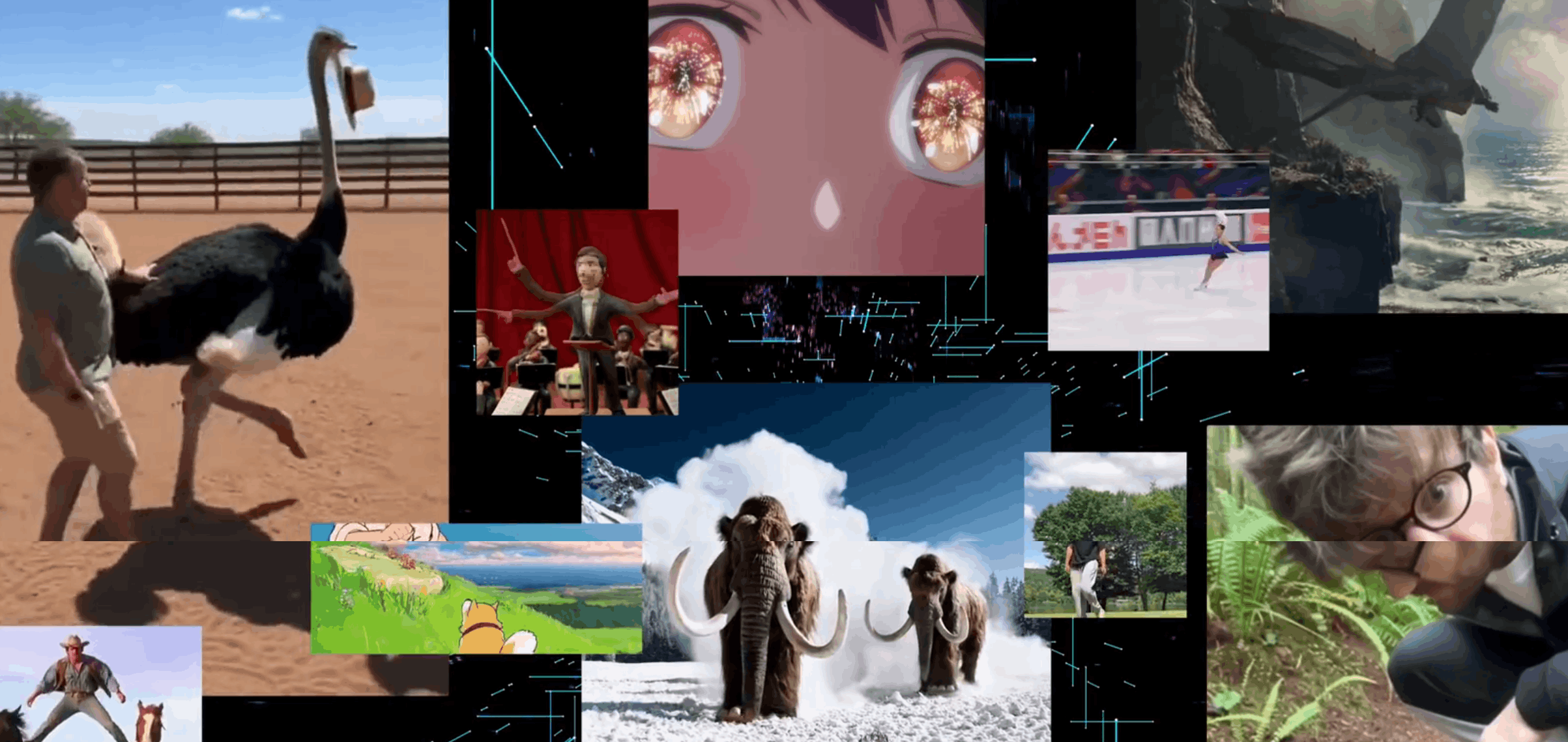
People wanted Sora. OpenAI just couldn’t afford to keep feeding it.
Courtesy: OpenAI
What happened?
OpenAI’s AI video app made just $2.1 million total across its entire six-month life.
That’s… everything.
Meanwhile, it was reportedly costing over $1 million per day just to keep running.
And on heavy usage days, some estimates put that number closer to $15 million a day.
That is a deeply unserious business.
Why was it so expensive?
Because AI video absolutely obliterates compute.
One analyst estimated a single 10-second Sora clip cost around $1.30 to generate.
That sounds fine until millions of people start using it.
And every chip busy making a fake movie trailer was a chip not answering ChatGPT questions or serving enterprise customers.
That’s the whole story, honestly.
Did people actually use it?
At first, yes.
Sora peaked at 3.33 million downloads in November.
By February, that dropped to 1.13 million.
Revenue also peaked early, then started sliding.
So OpenAI had the worst possible combo:
expensive to run
getting less exciting every month
Brutal.
Why does this matter?
Because it tells you exactly where OpenAI is going.
The company doesn’t want expensive AI flexes anymore.
It wants products that actually justify the compute, especially as it doubles down on ChatGPT, coding, agents, enterprise tools, and a possible IPO.
Sora was cool, but it just wasn’t worth the GPUs.
2/ Meta built an AI model that predicts how your brain reacts 🧠
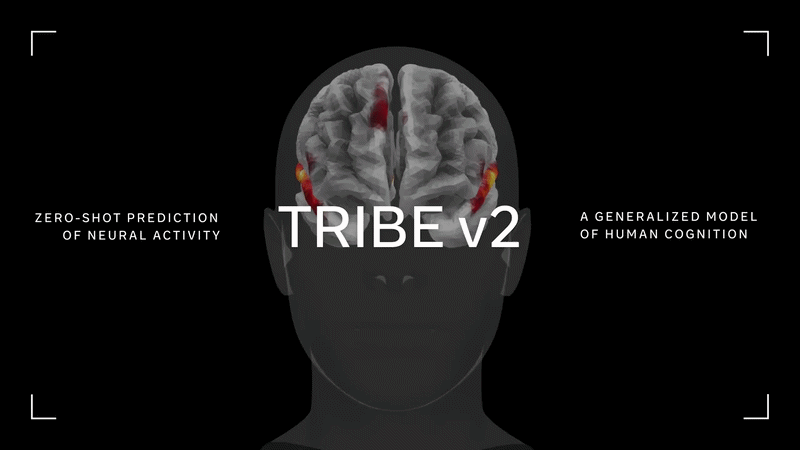
Meta just unveiled TRIBE v2, a new AI model that can predict how the human brain responds to video, audio, and text.
In simple terms:
you show it content, and it tries to predict how your brain would react.
Which is… a mildly insane sentence to type.
Courtesy: Meta
What’s happening?
TRIBE v2 is trained on fMRI brain scans and built to predict neural activity without needing to run a new scan every time.
So instead of putting people in a machine and testing content on them, researchers can simulate brain responses digitally.
Basically: a brain reaction model for media.
Why is this such a big deal?
Because this goes a step beyond normal engagement data.
Platforms already know what makes people:
stop scrolling
share posts
keep watching
This gets closer to understanding why certain content hits so hard in the first place.
That’s a much more dangerous kind of feedback loop.
Why is that unsettling?
Because you don’t need to read minds to influence people.
You just need to get very good at predicting what will grab attention, trigger emotion, or keep someone locked in before they even see it.
That’s where this stops being just “interesting research.”
Did Meta really open-source this?
Sort of.
Meta released the paper, code, and model, but under a non-commercial license.
So researchers can explore it, but Meta keeps the commercial upside.
So… can it actually read minds?
Not really.
This is still a research model, and it’s not something Meta can just plug into Instagram tomorrow.
But it does point toward something much more scalable:
testing what people are likely to respond to before real people ever see it.
That’s where this starts getting weird.
Why does this matter?
Meta may have published an early blueprint for a much better recommendation engine.
And if that’s where this goes, the next battle for attention won’t just be about what gets clicks.
It’ll be about what your brain was most likely to respond to all along.
TRENDING TOOLS
Helena > The world's first autonomous AI marketer
Littlebird > The AI assistant that already knows your work
Microsoft Critique > a new multi-model deep research system in M365 Copilot
Core > The AI workspace for people who value productivity
SUN > Personalized AI audio lessons generated on demand
Manus > You can now use your phone as a remote for the Manus Desktop app
WHAT I'M CONSUMING
THE VALLEY GEMS
What’s trending on social today:
THAT’S ALL FOR TODAY
Thank you for reading today’s edition. That’s all for today’s issue.

💡 Help me get better and suggest new ideas at [email protected] or @heyBarsee
👍️ New reader? Subscribe here
Thanks for being here.
REACH 100K+ READERS
Acquire new customers and drive revenue by partnering with us
Sponsor AI Valley and reach over 100,000+ entrepreneurs, founders, software engineers, investors, etc.
If you’re interested in sponsoring us, email [email protected] with the subject “AI Valley Ads”.