- AI Valley
- Posts
- OpenAI brings ads to ChatGPT + OpenAI Hardware
OpenAI brings ads to ChatGPT + OpenAI Hardware
PLUS: OpenAI 'on track' to release hardware in 2026

Barsee
20 Jan

Together with

Howdy, it’s Barsee again.
Happy Tuesday, AI family, and welcome back to AI Valley.
Today’s climb through the Valley reveals:
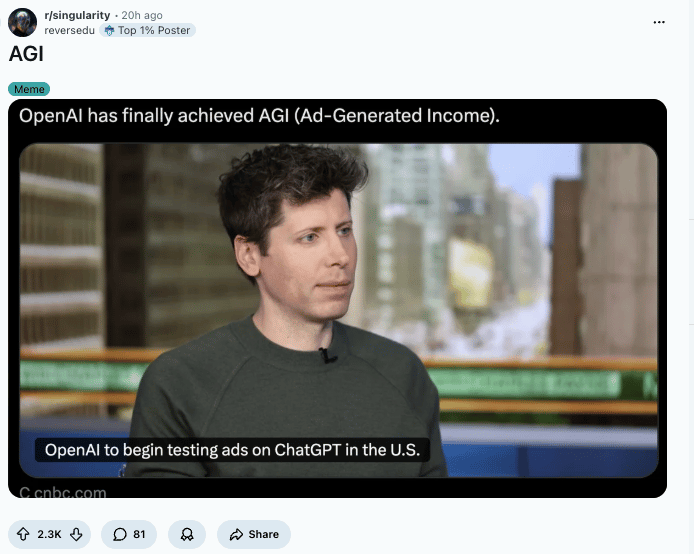
OpenAI to finally bring ads to ChatGPT
Microsoft maps the global AI adoption gap
OpenAI 'on track' to release hardware in 2026
xAI activates Colossus 2, a single-site gigawatt cluster for frontier training
Plus trending AI tools, posts, and resources
Let’s dive into the Valley of AI…
VOICES AI
Courtesy: Voices AI
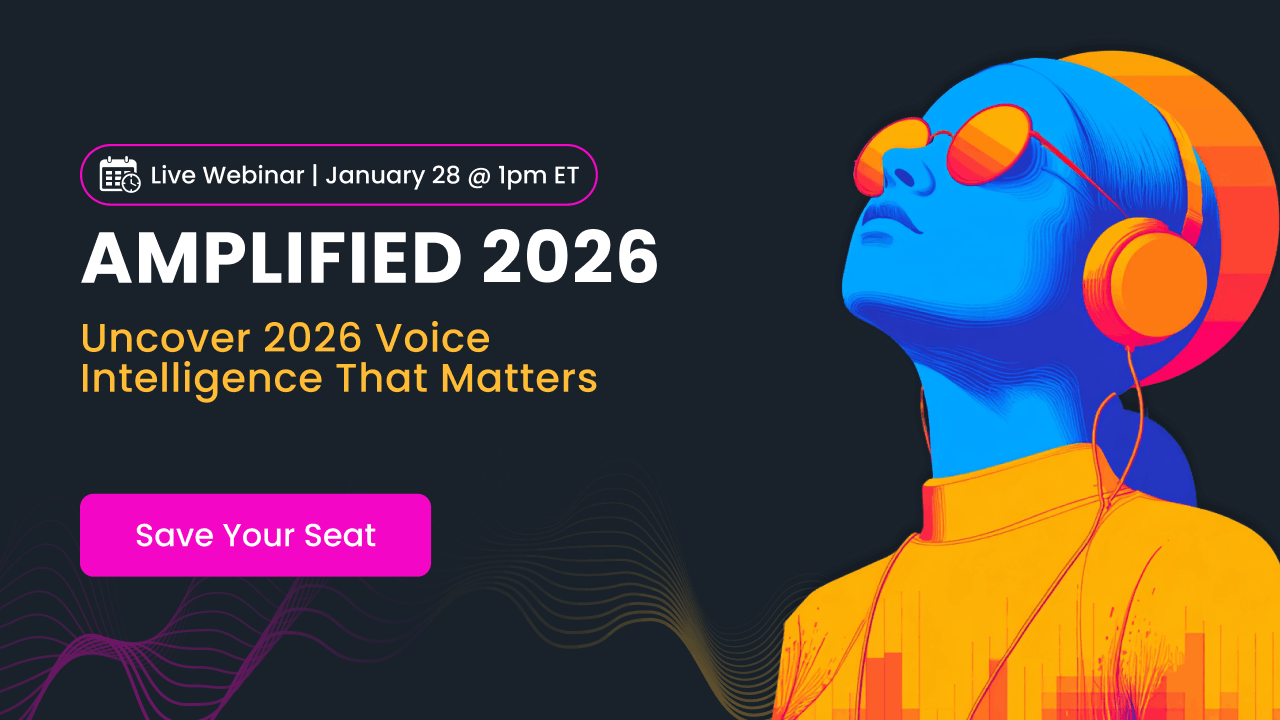
Consumers are using voice as the primary interface to interact with AI, and enterprises are moving fast to set the new standard of “quality” in voice AI. On January 28 at 1 PM ET, join Amplified 2026, Voices’ virtual webinar for the inside scoop on what’s driving the next generation of performance-grade AI voices.
Hear from industry leaders driving the field forward: see which trends will dominate 2026 and hear how top brands are leveraging professional voice talent to raise the bar.
Amplified shares findings from Voices’ upcoming State of Voice report, based on a survey of 700 consumers and voice AI business leaders and—insights you can’t afford to miss.
The typing era is over.
Register now to get ahead in what’s next for AI voice.
*This is sponsored
THROUGH THE VALLEY
Courtesy: OpenAI
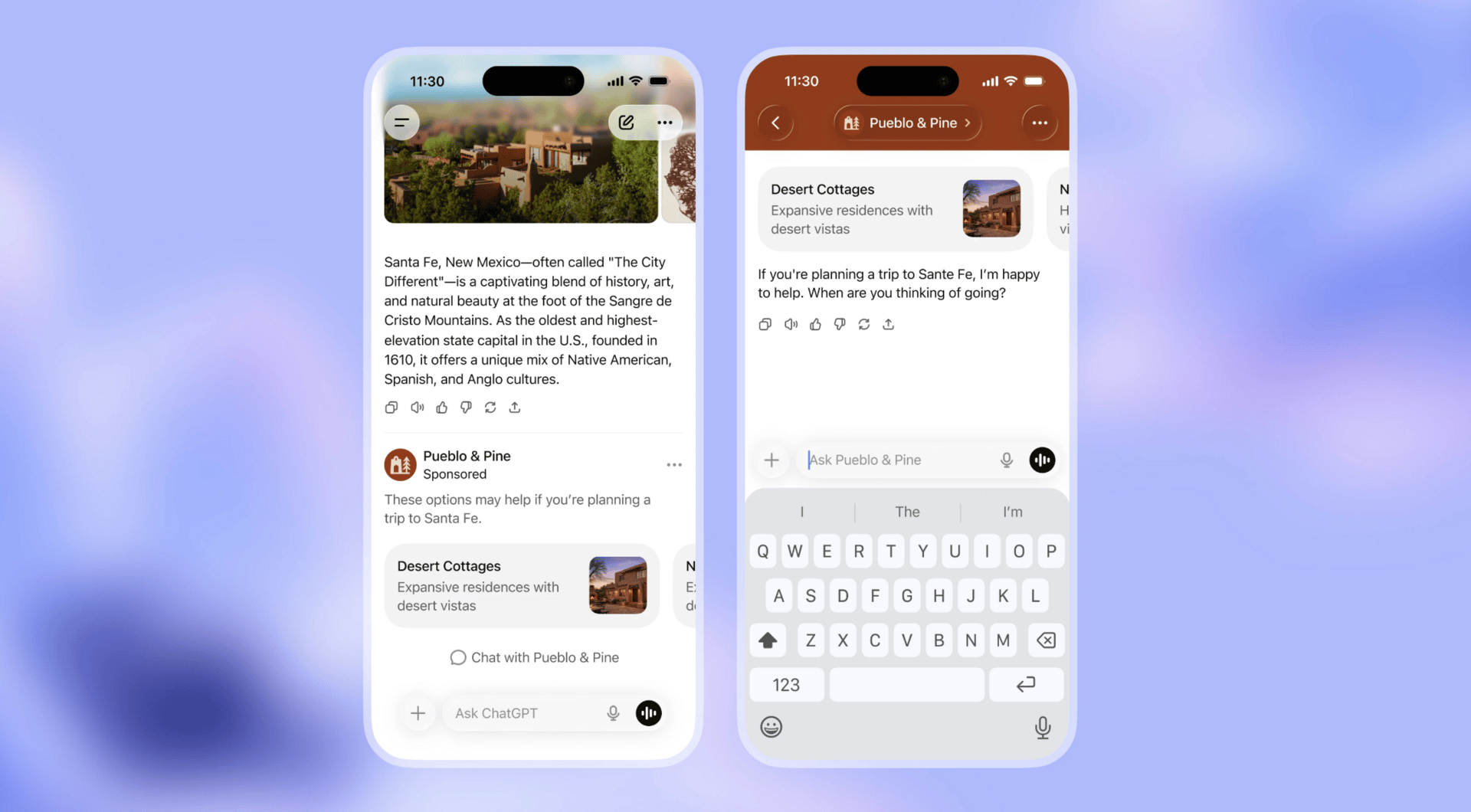
OpenAI has begun testing ads for free users in the US, offering increased usage limits in exchange for viewing sponsored content. At the same time, the company is expanding "ChatGPT Go" globally. This is an $8/mo plan that includes ads but unlocks extra features, while Plus and Enterprise tiers remain ad-free. OpenAI assures users that ads will be clearly labeled, won’t influence generated answers, and won’t rely on sold user data. Additionally, ads will not be shown to minors or appear alongside sensitive topics like health or politics. While the move is designed to fund broader access to advanced AI, critics warn it could compromise user trust if the chatbot begins promoting products too aggressively.
Courtesy: Microsoft
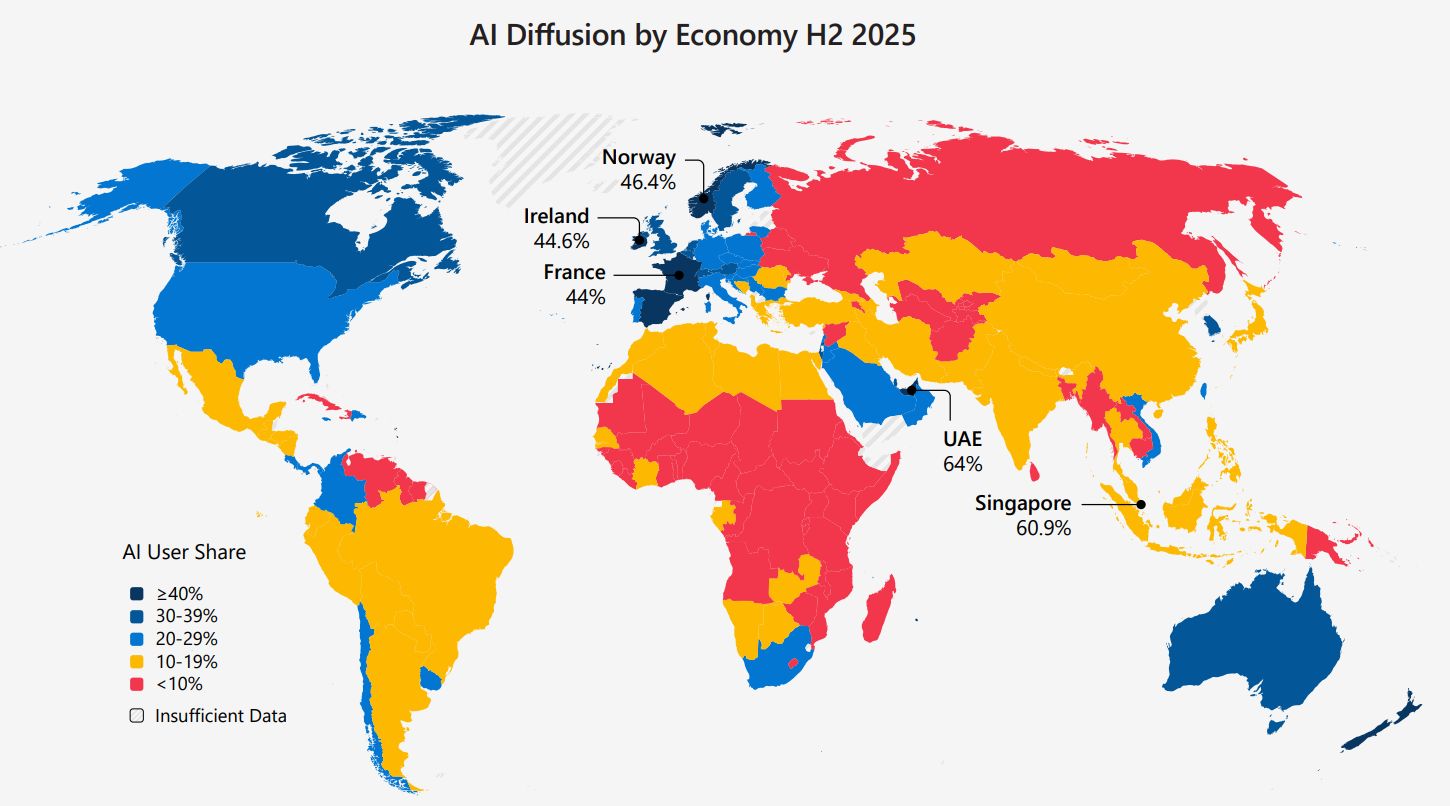
A new report from Microsoft’s AI Economy Institute shows that while global AI adoption hit 16.3% in late 2025, progress is incredibly uneven. The UAE currently leads the world with 64% adoption among working-age adults, whereas the U.S. lags behind at 24th place, despite hosting most of the infrastructure. The data shows a widening gap, with wealthy nations adopting AI at nearly twice the rate of developing regions. However, there is a notable exception. DeepSeek models are surging in parts of Africa, where usage is 2 to 4 times higher than average due to free access and open-source availability. This highlights a key lesson: accessibility and distribution matter just as much as model quality.
OpenAI is officially "on track" to launch its first AI hardware device in 2026. Executive Chris Lehane confirmed at Axios House Davos that the company is shifting focus from experimental concepts to stable, everyday consumer products. He described the upcoming hardware as a more natural way to interact with AI, moving away from reliance on traditional screens like phones and laptops. This timeline aligns with recent comments from CFO Sarah Friar regarding 2026 as a pivotal year for monetization. It also fits CEO Sam Altman’s vision to define a new category of AI-first devices, developed in collaboration with former Apple design chief Jony Ive.
Courtesy: xAI
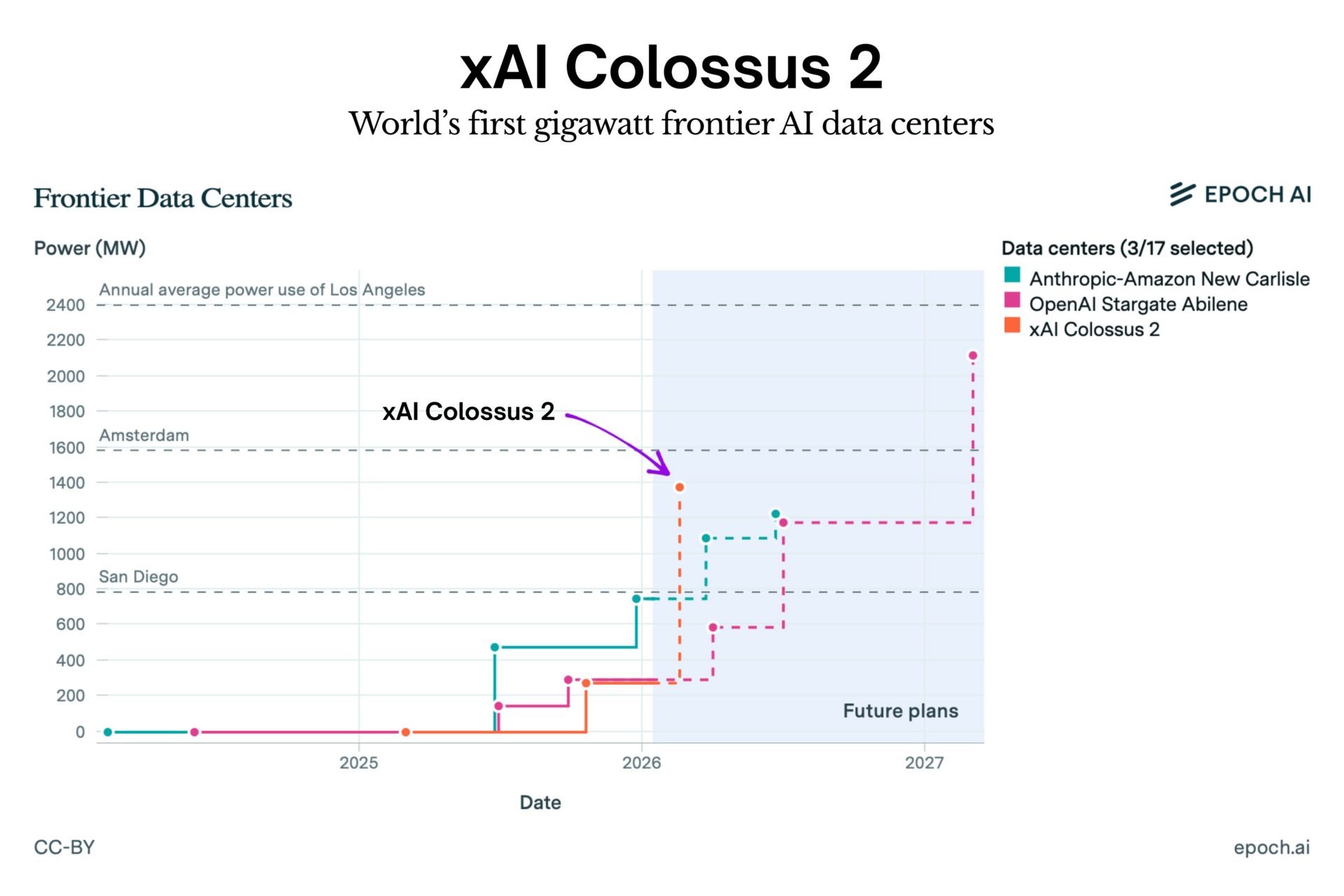
xAI has officially switched on Colossus 2, a record-breaking AI training cluster consuming one gigawatt of power. That is more electricity than the entire city of San Francisco uses at peak times. As the first operational system of this scale, it allows xAI to train massive frontier models at a single location rather than splitting the workload across different data centers. The facility is expected to scale up to 1.5 gigawatts by April, with plans to reach 2 gigawatts soon after. The system is powered by approximately 555,000 GPUs, representing an estimated hardware investment of $18 billion.
TRENDING TOOLS
Blink > The first vibe coding platform that builds agentic AI apps
Pocket TTS > Clones voices from just 5 seconds of audio and runs six times faster than real time on a laptop CPU with no GPU required
Soch > Turns passive scrolling into active discovery by helping you explore content with intent
GLM-4.7-Flash > Your local coding and agentic assistant
Noodle Seed > Connects your business to AI conversations in minutes, without complex setup
Aden > AI agents for your boring ops tasks
THINK PIECES / BRAIN BOOST
THE VALLEY GEMS
THAT’S ALL FOR TODAY
Thank you for reading today’s edition. That’s all for today’s issue.

💡 Help me get better and suggest new ideas at [email protected] or @heyBarsee
👍️ New reader? Subscribe here
Thanks for being here.
REACH 100K+ READERS
Acquire new customers and drive revenue by partnering with us
Sponsor AI Valley and reach over 100,000+ entrepreneurs, founders, software engineers, investors, etc.
If you’re interested in sponsoring us, email [email protected] with the subject “AI Valley Ads”.