- AI Valley
- Posts
- Anthropic triggered a $285B market crash
Anthropic triggered a $285B market crash
PLUS: Anthropic mocks ChatGPT ads in Super Bowl

Barsee
05 Feb

Together with

Howdy, it’s Barsee again.
Happy Thursday, AI family, and welcome back to AI Valley.
Today’s climb through the Valley reveals:
Anthropic mocks ChatGPT ads in Super Bowl
Anthropic triggered a $285B market crash
Apple turns Xcode into an AI-powered app factory
Amazon eyes $50B OpenAI stake
Sam Altman says OpenAI “very close” to AGI
Plus trending AI tools, posts, and resources
Let’s dive into the Valley of AI…
VOICES
Courtesy: Voices
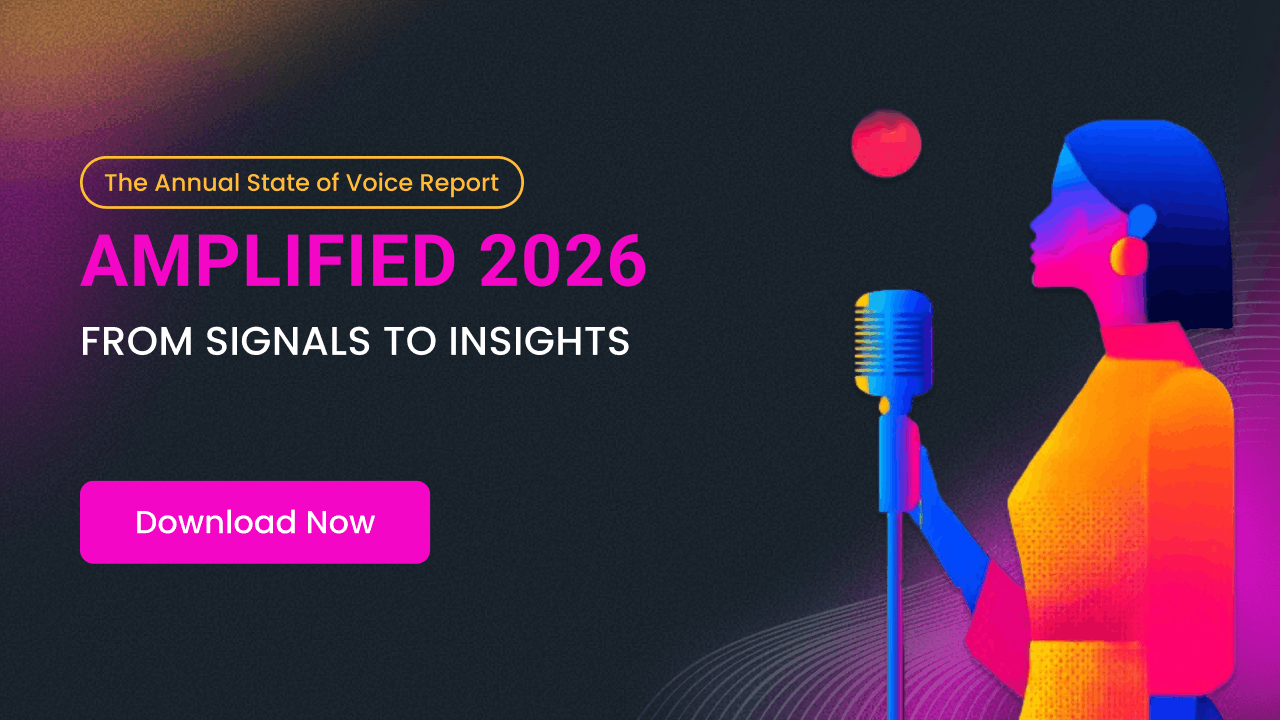
Voice is the new trademark, and generic AI voices are like stock logos—they dilute any semblance of brand recognition.
77% of voice AI decision makers say exclusive, brand-specific AI voice licensing is critical for differentiation, and are treating voice selection with the same care as logo design.
AI voice leaders are setting the standards of tomorrow, today. Amplified 2026: Voices’ Annual State of Voice Report draws on insights from 700 voice AI business leaders and consumers to reveal what enterprises are prioritizing to ensure their voice AI stands out in the noise.
Don’t get lost in the voice AI crowd—see what the leaders are doing now before your competitors do.
*This is sponsored
THROUGH THE VALLEY
Anthropic says its AI assistant Claude will stay ad-free and will not show sponsored links or shape answers around advertisers, setting up a clear contrast with OpenAI as it tests ads in some ChatGPT tiers. To push the message, Anthropic ran Super Bowl ads mocking the idea of ads inside chatbots, with scenes like a therapist pitching a dating app mid-session. OpenAI CEO Sam Altman called the ads misleading and said Anthropic is building for a smaller, premium audience while OpenAI focuses on scale. Anthropic is betting that privacy-focused users and enterprises will pay to avoid ad-driven AI.
Anthropic’s release of new plugins for its Claude Cowork tool sparked a sharp selloff in software and legal tech stocks, wiping about $285 billion in market value in a single day. Shares of Thomson Reuters, RELX, LegalZoom, and LSEG fell as investors worried AI could replace parts of their core workflows. The plugins let Claude review contracts, draft documents, and run compliance checks, shifting Anthropic from selling models to offering full work tools. While some tech leaders say the reaction was overblown, the market move reflects a deeper fear that AI could replace entire software products, not just assist them.
Apple has updated Xcode to support AI coding agents, turning it into a workspace where models like Anthropic’s Claude and OpenAI’s Codex can write, build, test, and review apps with less human input. The agents can read project files, run terminal commands, manage API access, scan WWDC videos for guidance, and even check SwiftUI previews to spot UI issues. Apple adopted Anthropic’s open Model Context Protocol to allow other AI models in the future. To limit damage when agents fail, Xcode now creates automatic git checkpoints so developers can quickly roll back broken changes.
Amazon is reportedly in talks to invest up to $50 billion in OpenAI’s next funding round, along with a commercial deal to place OpenAI researchers and engineers on custom models for Amazon. The move would support Amazon’s AI push as it rolls out Alexa+ across the US and tries to keep pace with rivals like Apple, which is preparing a major Siri upgrade powered by Google’s Gemini. Despite backing Anthropic, Amazon wants closer access to OpenAI’s most advanced models. The deal could include a $38 billion AWS infrastructure commitment and value OpenAI near $830 billion ahead of a possible 2026 IPO.
Sam Altman says OpenAI aims to become a full technology platform, not just a company that builds AI models. He described a future where OpenAI works across custom chips, massive data centers, energy projects, consumer devices, and new systems to manage AI-driven economic change. Altman recently said the company is “very close to AGI,” later clarifying he meant this in a philosophical sense rather than a technical milestone. He also argues that the next frontier is memory, not just better reasoning, with future models designed to remember past conversations and documents. The message is clear: OpenAI wants to shape the infrastructure behind AI, not only the software people use.
TRENDING TOOLS
Helply > Pairs you with a dedicated AI engineer and guarantees 65 percent issue resolution within 90 days. It takes end-to-end actions, cites sources, and syncs live with your help desk for low-risk deployment
Atoms > AI employees that help validate ideas, build products, and acquire customers
WorldLabs > Generates persistent 3D world models you can build on and extend
TinySkill > AI agents that can autonomously learn new skills and improve over time
Project Genie > Create, explore, and remix interactive AI worlds. Available to Google AI Ultra subscribers in the US
Kimi AI > A feature that can generate full websites from images or videos, following the launch of its K2.5 model
Moltbook > The social network for AI agents. Observe the future of social media
ByteDance UI Tars > A fully local desktop automation agent that can run apps, open files, browse websites, and automate workflows without needing the internet
Vibe Motion > One prompt creates any motion design you can imagine
Relay Agents > Build an AI team that works for you across your tools and workflows
Mistral Voxtral Transcribe 2 > Next-generation speech-to-text models built for faster and more accurate transcription
Qwen3-Coder-Next > An open-weight language model designed for coding agents and local development
SimpleClaw > The fastest way to deploy your own always-on OpenClaw instance in under one minute
SIGNALS
AI is eating software. The $285 billion software selloff triggered by Anthropic’s Claude Cowork tool is just the beginning. The market is finally waking up to the fact that AI is not just a productivity tool, it’s a replacement technology. This is an existential threat to any company that sells software as a service. (22k+ shares)
The $11 billion valuation of ElevenLabs proves that voice is not a feature; it's a foundational layer of the new internet. As we move from text-based interfaces to conversational AI, the ability to generate realistic, expressive human speech at scale becomes a critical competitive advantage. (7k+ shares)
WHAT I'M CONSUMING
INDUSTRY MOVES
Adaption has raised $50M to build adaptive AI systems that evolve in real time
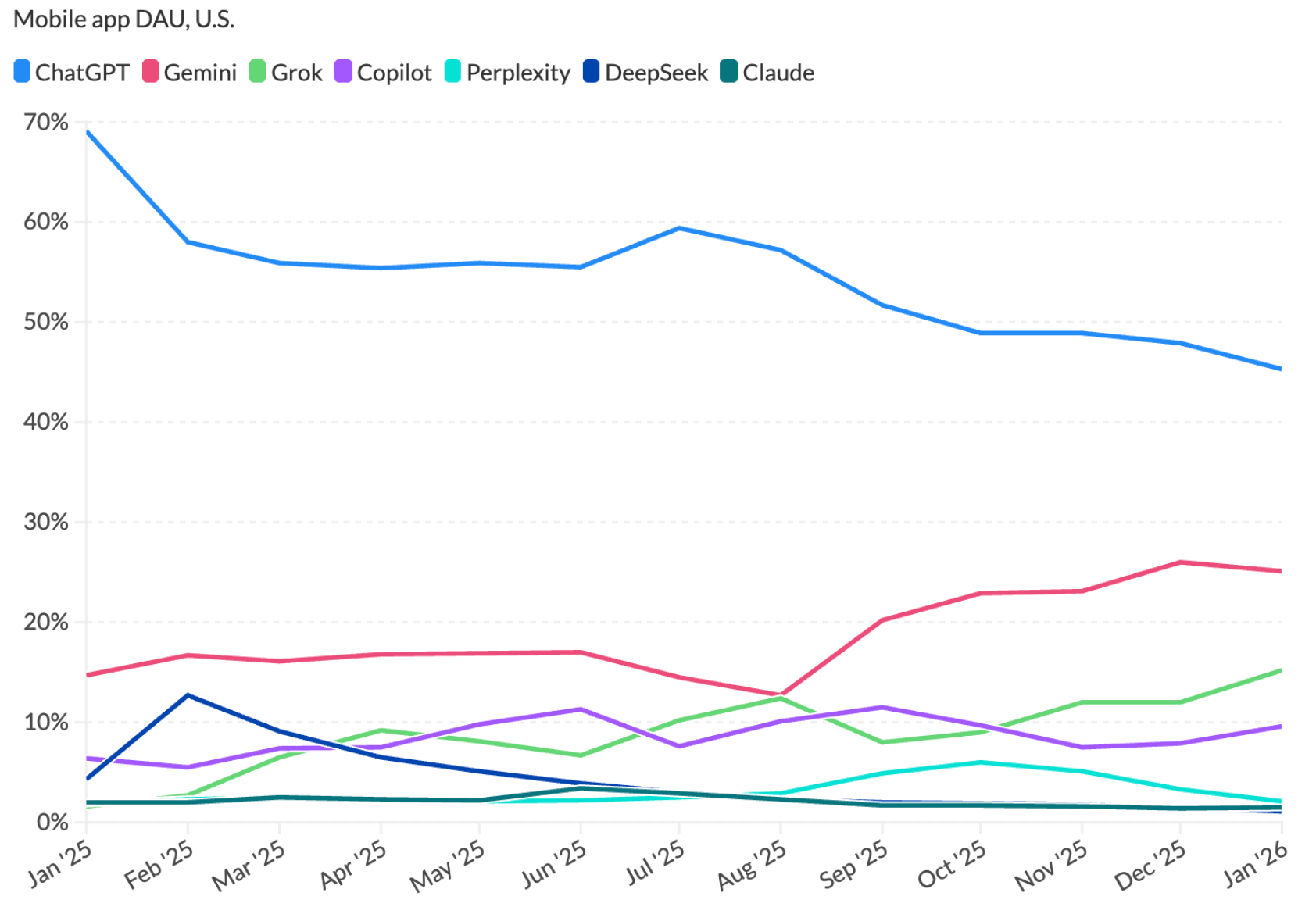
Google’s Gemini app has surpassed 750M monthly active users
ElevenLabs raises $500M Series D led by Sequoia at $11B valuation
NVIDIA said to near $20B OpenAI investment in $100B funding round
THE VALLEY GEMS
What’s trending on social today:
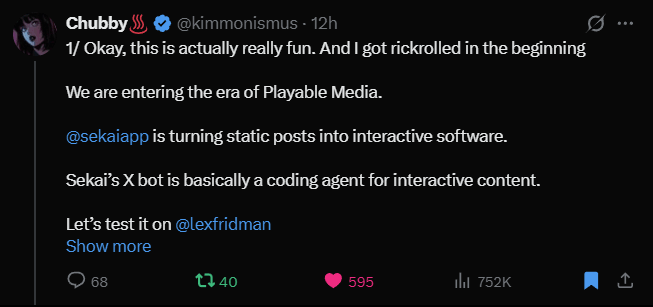
Sekai is a social platform for interactive mini-apps. Reply to @sekaiapp on X—Sekai Bot turns your prompt into a playable post you can open and share instantly.
THAT’S ALL FOR TODAY
Thank you for reading today’s edition. That’s all for today’s issue.

💡 Help me get better and suggest new ideas at [email protected] or @heyBarsee
👍️ New reader? Subscribe here
Thanks for being here.
REACH 100K+ READERS
Acquire new customers and drive revenue by partnering with us
Sponsor AI Valley and reach over 100,000+ entrepreneurs, founders, software engineers, investors, etc.
If you’re interested in sponsoring us, email [email protected] with the subject “AI Valley Ads”.